


For generations, humanity has sought happiness outside itself. Discover why learning affective autonomy is the true key to building lasting happiness from the inside out.
For a long time, many of us believed that happiness was a privilege reserved for a lucky few — a reward granted to those with a “good star.”
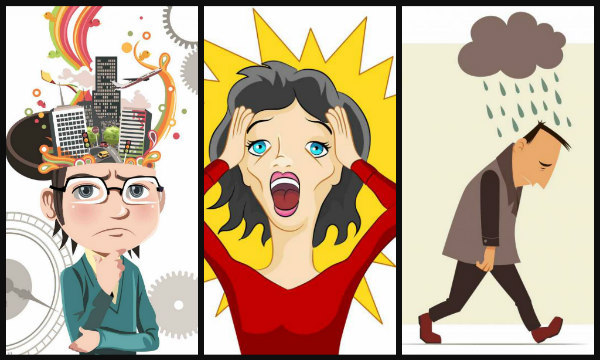
We were led to believe that happiness depended on external factors: our achievements, our relationships, our health, the way others perceive us. And yet, despite all our efforts to possess, to perform, to appear successful, how many remain deeply dissatisfied, anxious, or even depressed?
Today, I invite you to discover a liberating truth:
Lasting happiness does not depend on what happens to us.
Happiness is an inner skill that can be learned, practiced, and consciously chosen.
Yes, becoming happy is something you can learn.
And this learning is the most important journey of your life.
We have learned many things… but rarely how to become truly happy
– We were taught how to read, write, and count… but rarely how to cultivate inner happiness.
– We were taught to seek happiness outside of ourselves.
– We were taught to perform, accumulate, and please… but not to love ourselves unconditionally.
– We were taught, often unintentionally, to suppress our emotions: “Don’t cry,” “Be strong,” “Don’t make Mom sad.”
Little by little, without even realizing it, we learned to disconnect from ourselves — by disconnecting from our emotional body. We unconsciously, involuntarily, and through ignorance, developed harmful mental reflexes: to judge ourselves, to belittle ourselves, and to neglect our fundamental needs for self-love.

Why It Is Urgent to Grow Toward Consciousness
Since the dawn of time, human beings have sought happiness outside themselves — in doing, having, and appearing — rather than understanding that true happiness is born within.
This illusionary quest has been transmitted from generation to generation, not out of malice, but simply by the natural law of cause and effect: we cannot teach what we ourselves have not learned.
Even today, much of psychological discourse focuses on collective unconsciousness — but too rarely does it emphasize the urgent necessity of consciously reprogramming how we think.
Because as long as humans remain trapped in old primitive mental reflexes, they will continue, often without realizing it, to harm themselves internally and damage the world around them.
It is time to recognize that unconsciousness is not a fatality. It is a starting point — but it must be worked on with love and rigor to grow toward full consciousness.
We are not made to wander endlessly in suffering:
We were born for love, just as the fish is born for water, and the bird for the sky.
Learning to think differently is not about becoming someone else — it is about rediscovering our true nature.
Renée Marc-Aurèle, Thérapeute en Relation d’aide – Approche autonomie affective
Pour des infos sur l’accompagnement écrivez à vivrelebonheur@videotron.ca

“I’m Proud of You”: When Encouragement Can Shape a Child’s Sense of Self-Worth
Saying “I’m proud of you” almost always comes from a beautiful intention. As parents, educators, or grandparents, we want to acknowledge effort, celebrate a success, and above all, express our love. The phrase often comes naturally, carrying our own joy at seeing a...

Anxiety and self-denigration | Victory process
Affective autonomy affirms that we are responsible for all of our needs throughout our lives. Our needs for security, encouragement, realism, understanding, acceptance, agency, etc. Therefore, a need that remains unresolved becomes a problem that causes affective...

Learn to love yourself in 3 steps | The Victory Process
Affective autonomy is like a parent-child relationship. Our beliefs acquired in childhood are sometimes harmful and immature. We must therefore become aware of our mental nourishment in order to parent ourselves and to bring logic to our perceptions. To go from...

Renée Marc-Aurèle | Helping-Relationship Therapist in Longueuil – South Shore
Happiness can be learned. It does not come primarily from what we have, what we do, or how others see us. It is built from within, through the way we think, speak to ourselves, and treat ourselves. In the Affective Autonomy approach, happiness grows from a mind that...

Affective Autonomy: Creating Happiness from Within
Love heals, while lack of love, judgment, childish expectations and irrational thinking can undermine my happiness here and now. Happiness grows from love and from a loving mind. If I do not learn to love myself and nurture my willingness to create my own happiness,...

Affective Autonomy: Creating Happiness from Within
Emotions are innate. From birth, a baby has no other way to communicate than through emotions. They are part of a guidance system that helps human beings respond to their basic needs for survival. Through emotion, a child lets a parent know whether their needs are...
Affective autonomy or the art of happiness
Affective autonomy is a way of life. It starts from the principle that the goal of all human life is happiness. And true happiness comes from our way of thinking repeated since our childhood. How do we know if what we think helps or hurts us? Emotions The human body...